
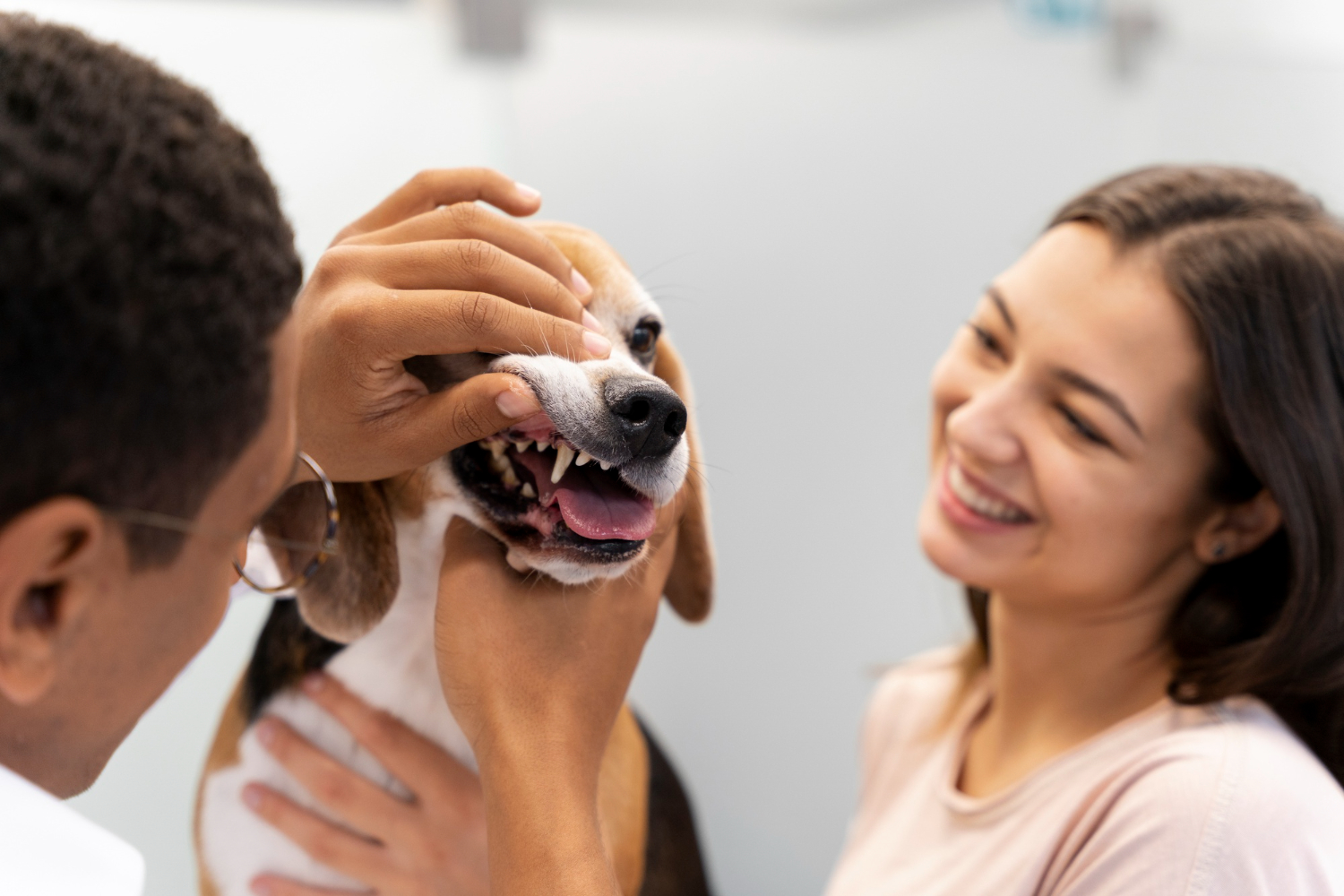
An analysis of payment options available to pet parents
Although we believe that pet insurance can be helpful for managing unexpected treatment costs, we’re the first to admit that it comes with some flaws. A particularly big one is the requirement to pay the bill upfront and then claim reimbursement from your insurance company afterward. When the cost of an unplanned vet visit can run into the thousands, that’s something many just aren’t in the position to do. In this article, we’ll talk about why the system is set up this way, what options pet parents have, and how you can make sure your pet is protected when they need it most.
Why pet insurance can be helpful
If your pet has a medical emergency or illness, treatment can potentially cost thousands of dollars. For example, the average cost of an emergency room visit is $1,500, while the average cost of treating a heart condition is up to $2,500. With one in three Americans holding less than $400 in savings, having a backup plan like insurance can quite literally save a pet’s life.
As we discussed in our article Do Our Pets Have an Inalienable Right to Life?, it’s estimated that two in three cases of pet euthanasia are done for financial reasons, such as the owner being unable or unwilling to pay for the required treatment. In fact, the Life Long Paws Foundation was born from this exact scenario; waiting in the emergency room with her own fur baby, founder Rebecca Perry-Torres witnessed a distraught fellow pet parent having to make the decision to put her beloved cat to sleep because she couldn’t afford the upfront cost of treatment. (Read more about our story here.) Some do manage to save their pets but at great personal cost, with 41% of pet owners reporting that they’ve been forced to go into debt.
The big problem with insurance
When faced with a huge vet bill, insurance could be a valuable lifeline. However, unlike our human healthcare, vets require you to pay the bill upfront before your pet can receive treatment.
Why is this? Well, nobody likes to deal with insurance companies — vets included. Insurance companies are businesses first and foremost, and they stay profitable by paying out as little as possible for a claim. Vets know this, so they don’t want to run the risk of not getting paid and having to chase you for the outstanding debt. It’s much easier and safer for them to take payment from you and let you deal with the insurance company.
For those who simply don’t have the money, then, having insurance doesn’t do much to help. It might lower the bill to a more manageable amount in the end, but you’ll still need to be able to provide the full amount and potentially wait weeks for reimbursement.
Then there’s uncertainty about cover and reimbursement. If you’re insured, an unexpected vet bill may not be catastrophic. But as we mentioned in our article Challenges and Opportunities in Pet Insurance, insurance doesn’t cover everything. For example, you’ll usually need to pay a deductible, which is a contribution towards the bill. There may also be a limit to how much your insurance company will reimburse you, and it might vary based on things like treatment required or previous claims. It can be difficult to assess this at the best of times, let alone when you’re under a lot of stress and pressure, as you will be when your pet is ill or hurt. You might be able to treat your pet but find out afterward that it’s going to cost you much more than you thought.
Are there any alternatives to paying upfront?
Here are some potential alternatives that may be available to you
Direct-to-vet reimbursement policies
Some insurance providers are now offering policies in which the vet is paid directly. Here are some examples, although we always encourage you to research providers thoroughly to make sure they’re right for your personal circumstances:
- Pets Best reimburses your vet instead of you when you make a claim.
- Trupanion offers VetDirect Pay instant approval and bill payment at the checkout through an app. Vets are more likely to accept this because coverage is confirmed immediately and it’s just as quick and reliable as if you were paying yourself.
- Healthy Paws offers direct payment but this must be coordinated and approved ahead of treatment, so it may not be ideal for emergency situations.
Keep in mind that even though these policies are available, not all vets will accept them. If you’ll rely on this option, it’s wise to research vets in your area who will accept it before you need to use it.
One-off arrangements
Although emergencies come out of the blue, you typically have a little more time to work with when planning treatment for illnesses. Ask your vet if they would be able to work directly with your insurance company as a one-off arrangement, as they will sometimes make exceptions for large bills. However, be aware that some vets will only do this with their own list of approved insurers.
Payment plans
If you’re going to struggle with the upfront cost while you wait to be reimbursed, or you’re not insured at all, some vets will work with you to create a payment plan for larger bills. They might allow you to make payments directly to them. Alternatively, they may have a relationship with a finance provider who specializes in short-term finance to cover vet care. As with any credit product, though, it’s essential to make sure you completely understand the terms and can afford the repayments.
Down payments
If you can’t pay the whole bill but you can afford a smaller amount, ask your vet if you can make a down payment towards treatment and pay the balance when you’ve been reimbursed.
Pre-authorization
While it’s not an alternative to paying upfront, getting pre-authorization from your insurance provider can give you some clarity about the cost.
Ask your vet for as much detail as possible about the course of treatment and the expected cost. Your insurer may then be able to give you a “pre-authorization decision” confirming whether or not they’ll reimburse you and how much. This can give you the peace of mind to go ahead with treatment, or allow you to tailor treatment to your budget.
In rapidly evolving emergency situations, treatment needs (and costs) can change quickly. Keep this in mind and advise your insurer of any changes to the treatment plan at the earliest opportunity, as this may affect their decision.
More advice for coping with upfront payments
Unplanned vet visits can be stressful enough without having to write a huge check first. Insurance can help to recover some of the costs, but we know that this comes too late for many pet parents. We’re working hard to change this, and we’re happy to see some insurers offering options like direct-to-vet reimbursements. We hope to see many more affordable solutions in the years to come, but until then, check out our article What to Do if Your Pet Has an Emergency & You Can’t Pay for more advice on how to manage unplanned vet care and upfront costs.